Training notes from Malta.


Training notes from Malta.
What actually works with the clients Sean coaches — written plainly, no supplement pitches.
Hanging knee raise: how to do it without swinging
The first trunk exercise on the bar, and the one most people swing. What a good hanging knee raise looks like, why you swing and how to stop, the six-rung ladder, and when to move to straight legs.
Oura Ring in Malta: what to do with the numbers when you train
If you wear an Oura Ring in Malta, here is what its sleep, HRV and resting heart rate numbers are good for in training, what they are not, and how the free Living Fit app uses them to size your session.
Tuck front lever: how to hold it and when to move on
The first level hold on the way to a front lever, and the rung most people rush. What a good tuck looks like, two ways into it, the six-rung ladder, and when to open into the advanced tuck.
Negative pull-ups: how to do them and how many to do
The lowering half of a pull-up, done on its own. What a good negative looks like, how to get to the top, the six-rung ladder from top hold to your first pull-up, and how many to do.
Scapular pull-ups: the small movement under every pull-up
Arms straight, shoulder blades down, a few centimetres of movement. What a good scapular pull-up looks like, why it matters for your first pull-up, the six-rung ladder, and how often to train it.
Dead hang: how to do it and how long to hold it
The first rung of the pull-up and the start of every skill on the bar. What a good dead hang looks like, dead versus active hang, the six-rung ladder to a 60-second hang, and how long to hold it.
Hanging leg raise: how to do it and how to progress it
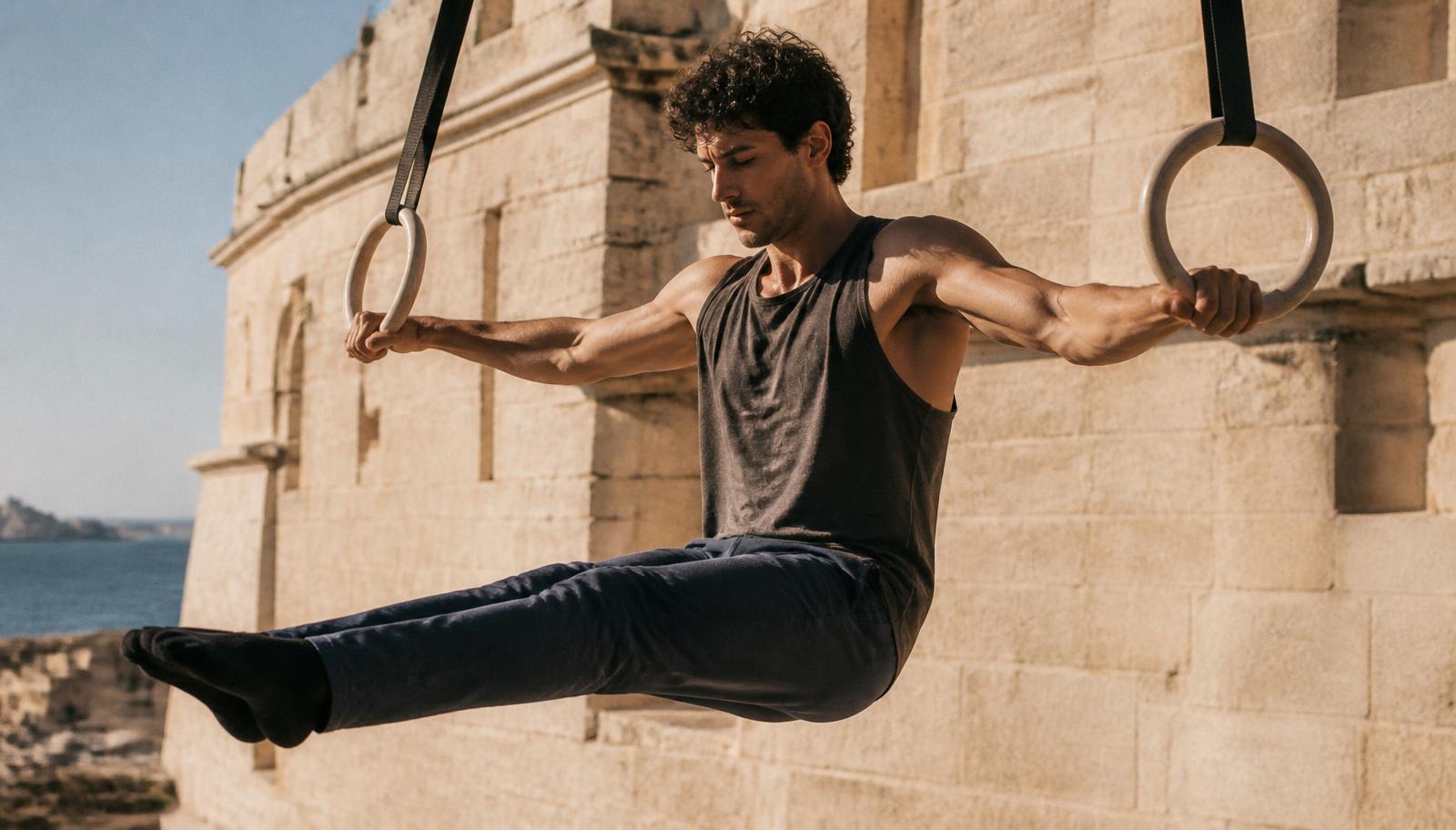
The hollow body hold taken to the bar. What a good hanging leg raise looks like, the six-rung ladder from hanging hollow to toes to bar, how often to train it, and why it unlocks the L-sit and front lever.
Pike push-up: the pressing exercise before the handstand push-up
The pike push-up is where handstand push-up strength is built, and it needs nothing but a floor. What a good one looks like, the six-rung ladder from push-up to elevated pike, and how often to train it.
Inverted row: the pulling exercise to do before your first pull-up
A pull-up with part of your bodyweight taken away, and you decide how much. What a good inverted row looks like, where to do it in Malta, the six-rung ladder, and when to move to the bar.
Hollow body hold: how to do it and how to progress it
The hollow body hold is the trunk position every calisthenics skill is built on. What a good one looks like, the six-rung ladder from pelvic tilt to hollow rocks, and how to take it to the bar.
L-sit: how to do it and how to progress it
Your legs drop within a second because the L-sit asks for three things at once. A five-step ladder from support hold to full L-sit, plus two drills that speed it up.
Front lever progression: from tuck to full
Most people stall on the front lever by trying the full version too early. A six-step ladder from active hang to full front lever, and how long to stay on each rung.
How to start calisthenics
No gym, no equipment, no pull-up needed. The six movements to start calisthenics with, a three-day-a-week plan for your first six weeks, and how to progress from there.
How to do a handstand
Stop kicking up in the middle of the room. Learn the position against a wall first, and the balance comes faster. A six-step ladder from pike hold to freestanding handstand.
How to do your first dip
Skip the bench dip. The first rung is simply holding yourself up. A six-step ladder from support hold to full dip, at a depth your shoulders tolerate.
 21 September 2026
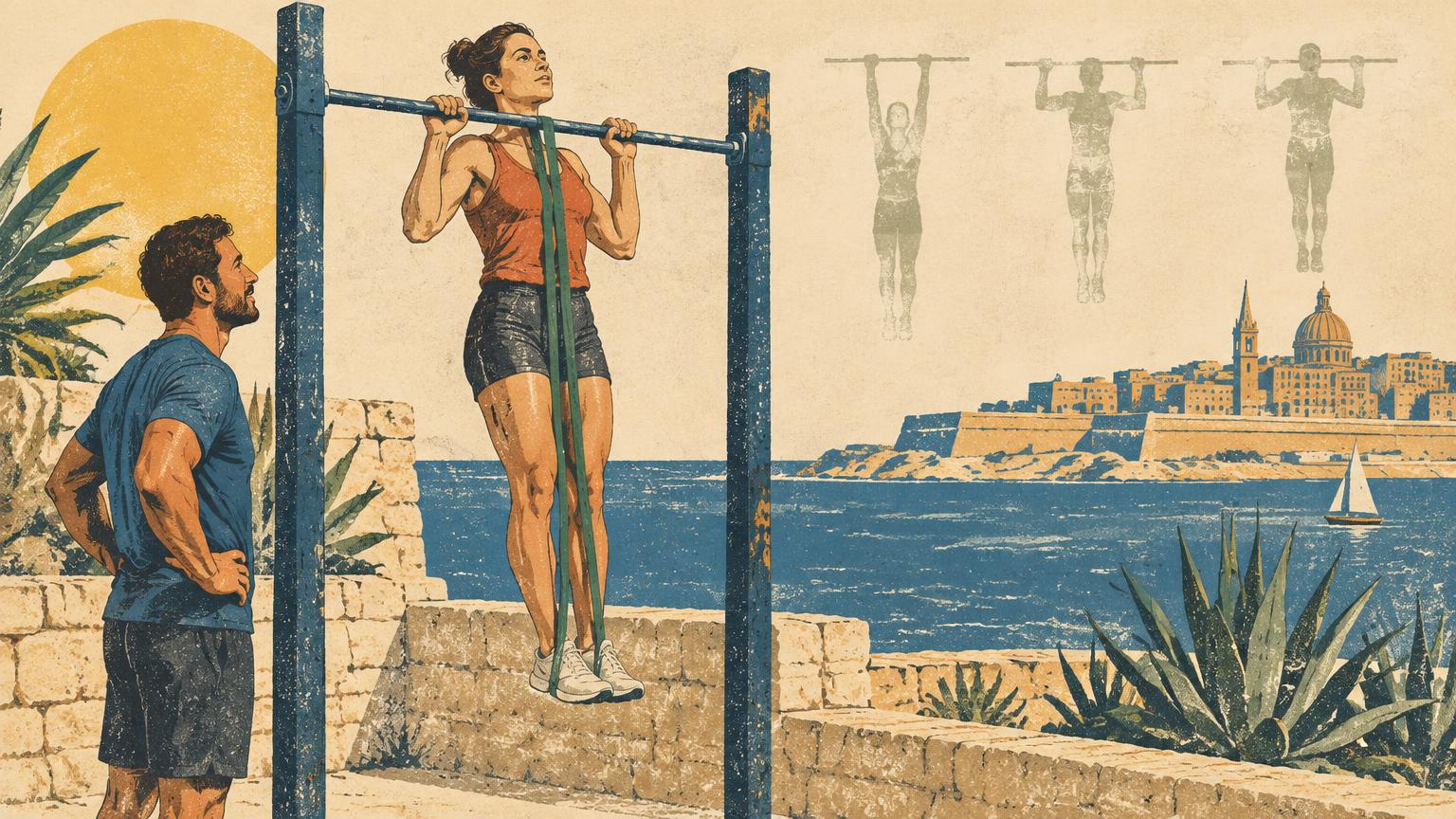
Do you actually need a gym membership in Malta?
When a gym membership is worth paying for, when it isn't, and what Malta gives you for free. An honest answer from a personal trainer who doesn't need you to join anything.
 15 September 2026
How to get your first pull-up
Most people chasing a first pull-up are training the wrong thing: repeated failed attempts. Here is the progression ladder that works, step by step.
 25 August 2026
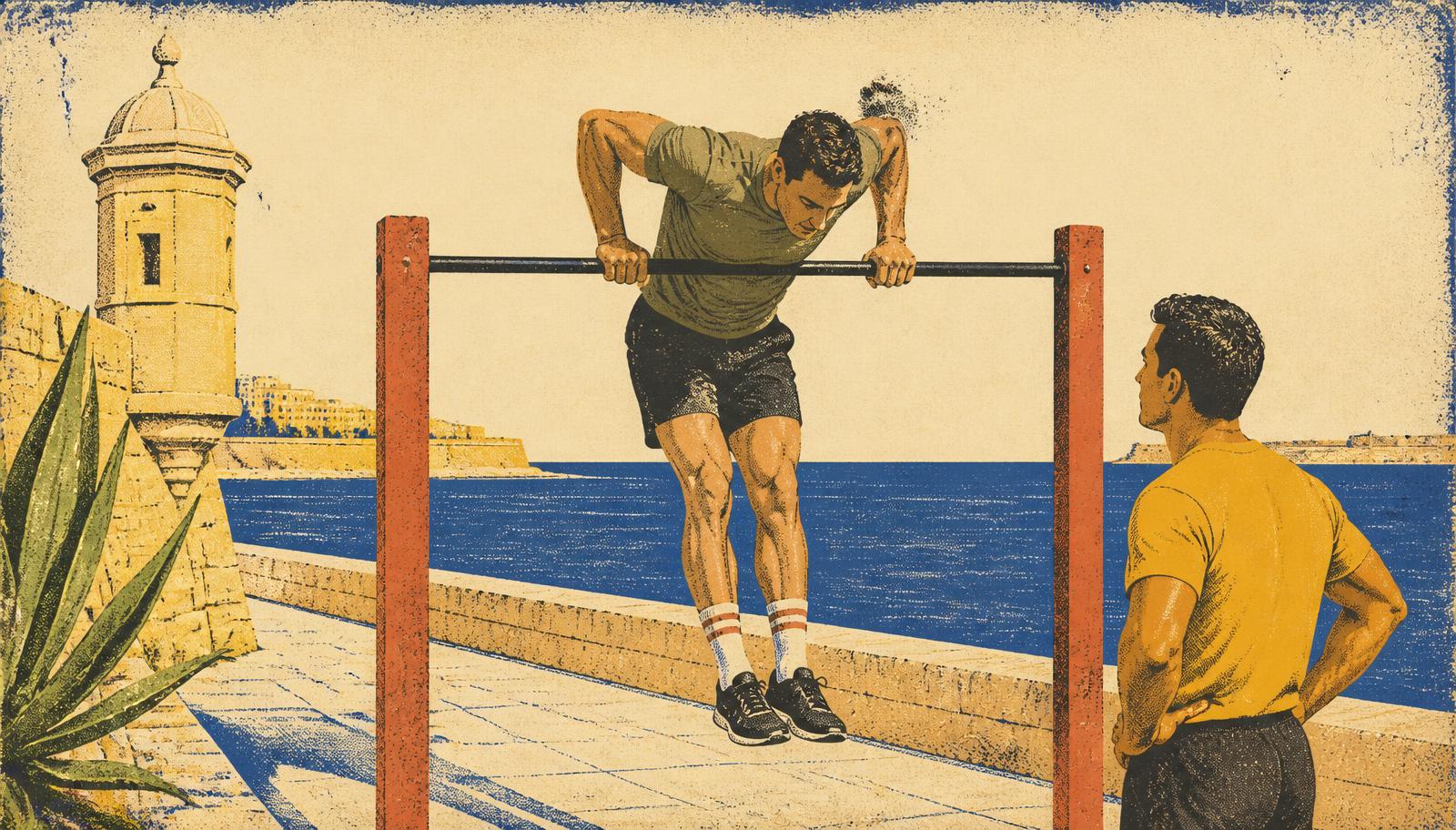
Stuck at the muscle-up? The transition is the problem
Months of pulling and still no muscle-up? The transition is a skill, not a strength gap. The progression ladder that fixes it, step by step.
 25 August 2026
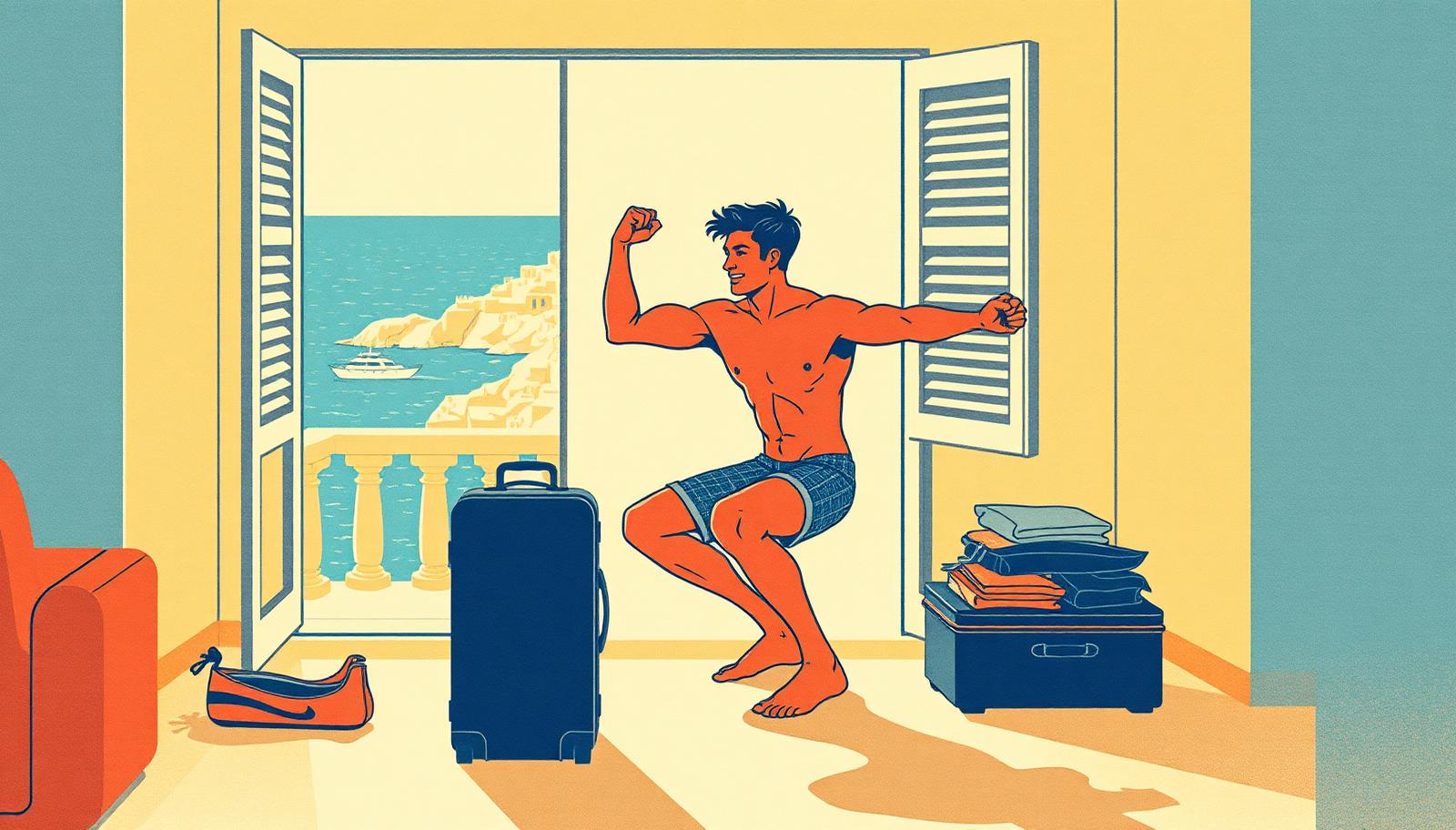
Training that survives travel: hotel-room sessions with zero equipment
Why every training plan dies on the road, and how to build one that doesn't: readiness-adjusted, bodyweight-first sessions that fit a hotel room and jet lag.
 25 August 2026
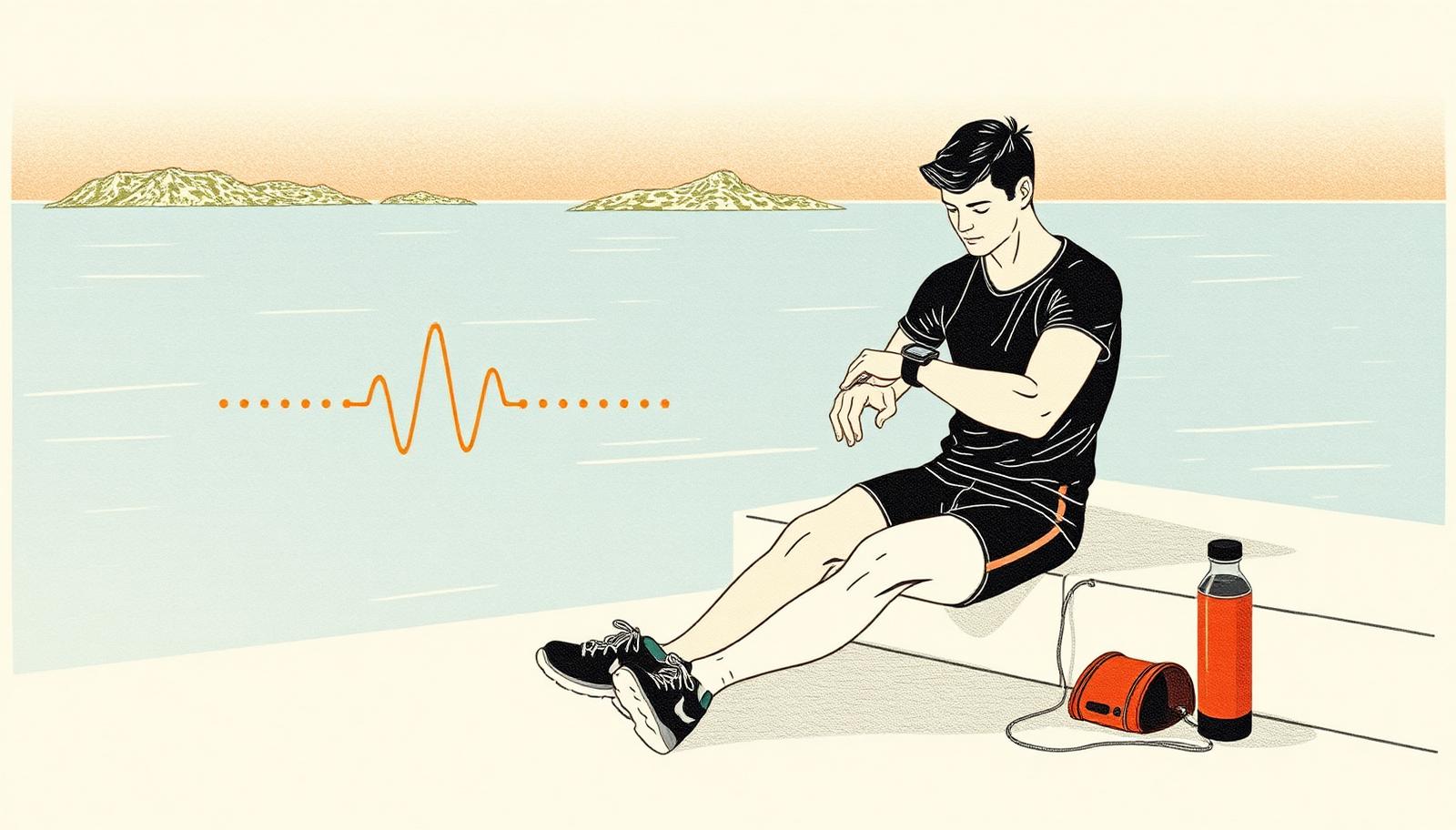
What HRV actually tells you about training — and what it doesn't
HRV is the most misread number in fitness. What heart rate variability genuinely signals about readiness, what it can't tell you, and how to train off it.
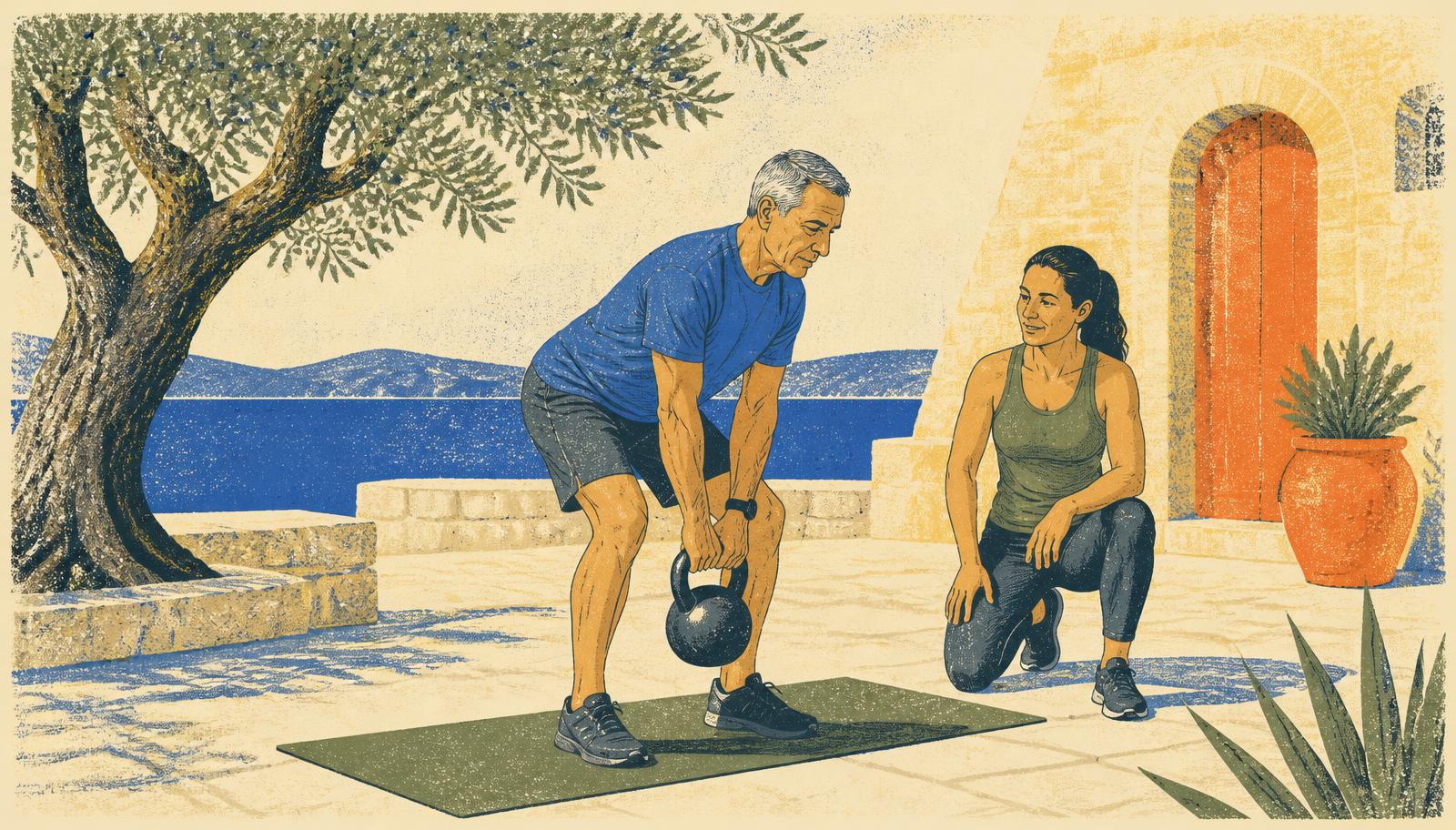 25 August 2026
Is it safe to lift weights at 60? An honest answer
The honest answer to whether lifting weights is safe at 60: what changes with age, what supervision adds, and when to talk to your GP first.
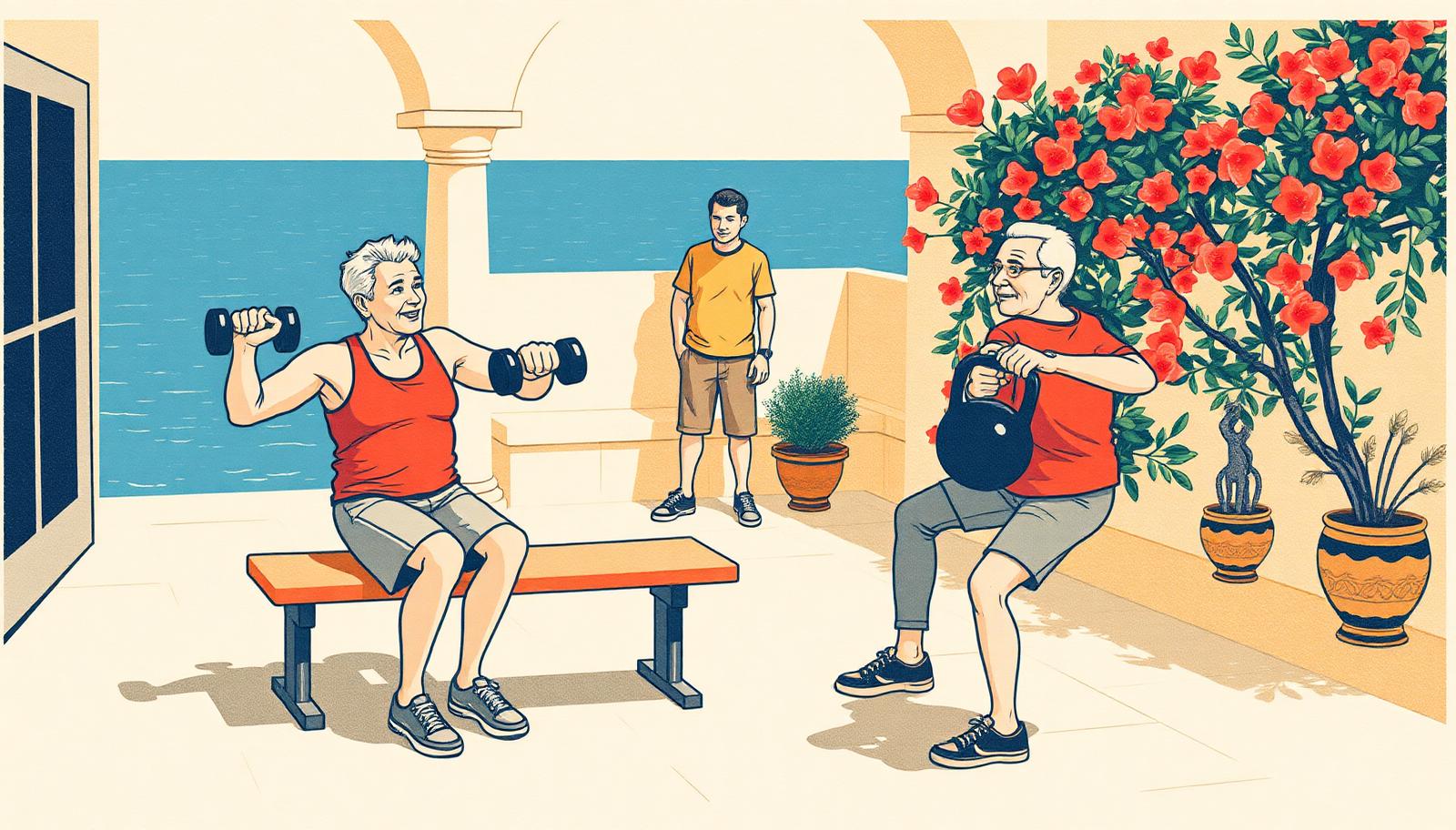 25 August 2026
Strength training over 50 in Malta: a guide for you — and the person checking it out for you
How strength training works for the over-50s in Malta: qualified supervision, gradual progression, home visits. Written to be read by cautious family members too.
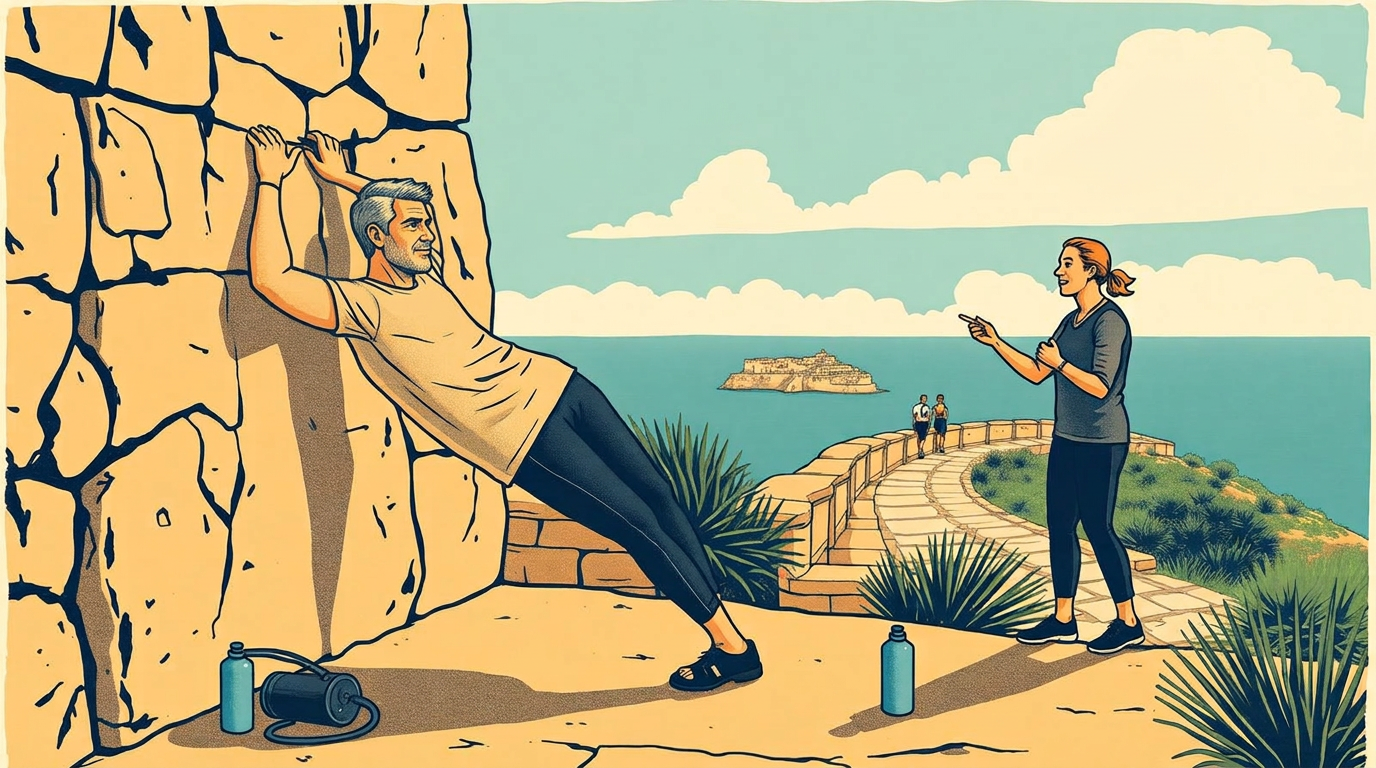 25 August 2026
Coming back after ten years off — without getting injured
The comeback mistake almost everyone makes: starting at the weight you remember. How to return to training in your 40s without your back or shoulder going again.
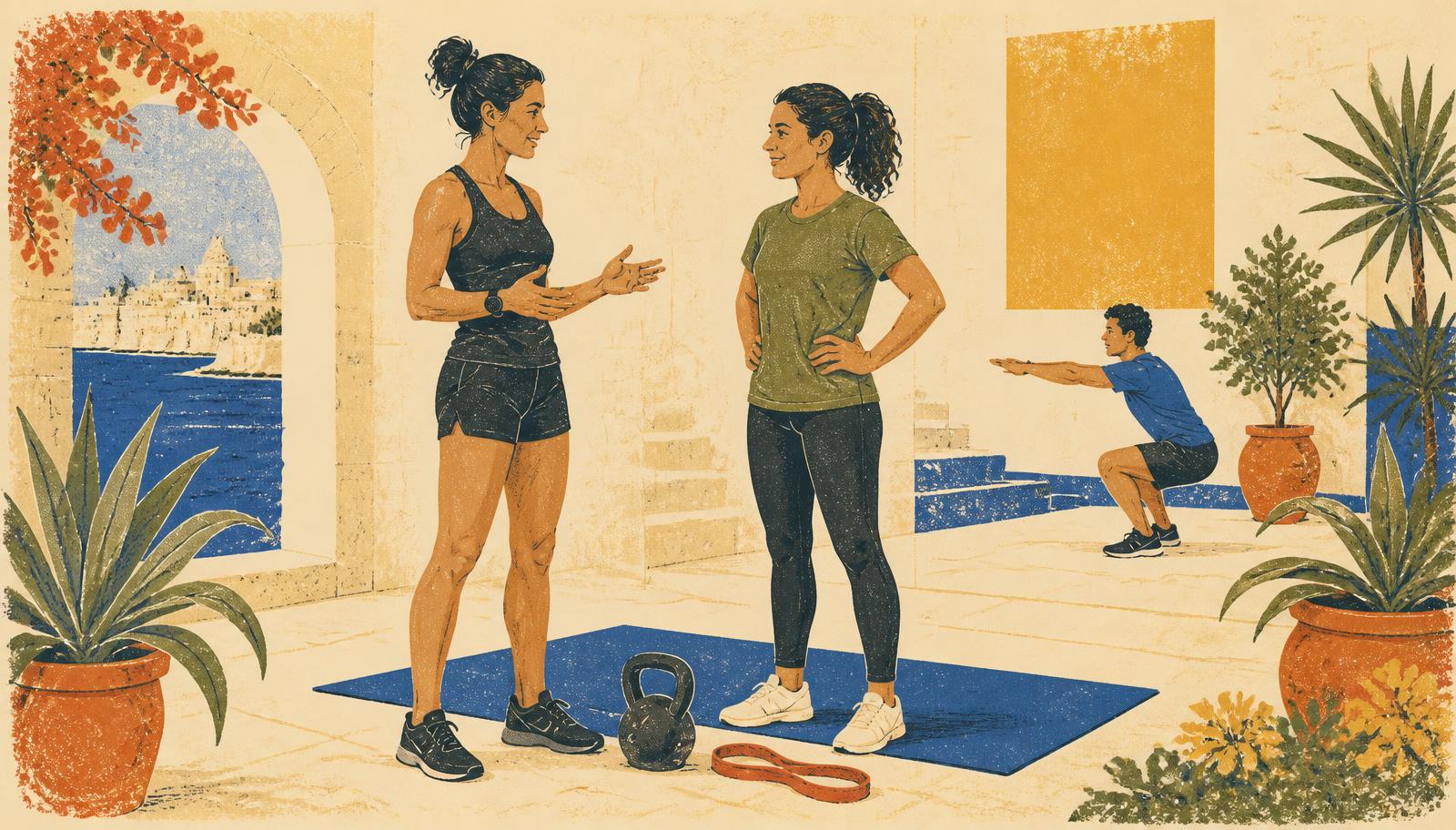 25 August 2026
What actually happens in your first personal training session
Minute by minute: the warm-up, learning the movements, and what you leave knowing. No fitness test, no shouting. You don't need to be fit before you start.
 12 August 2026
The free training app that reads your recovery before it writes your workout
Most apps hand you the same session whether you slept nine hours or three. Ours reads your HRV, sleep and recent load first, then builds the workout around what your body can actually absorb today.